🎁 Save 100 Lei. ❤️ You choose the cause. We donate.Create a plan

What to Eat During Pregnancy — and What to Avoid
Table of Contents
1. You Don't Need a Special Pregnancy Diet
2. No — You Don't Need to “Eat for Two”
3. Build Your Meals Around Variety
Fruit and vegetables
Carbohydrates
Protein
Dairy and alternatives
4. Fish Can Be Part of a Healthy Pregnancy Diet
5. Be More Careful With Raw and Undercooked Foods
6. Some Dairy Products Need Extra Attention
7. Wash Fruit, Vegetables and Salads Carefully
8. What About Caffeine?
9. What About Alcohol?
10. Some Foods Are Better Avoided During Pregnancy
11. Don't Forget About Food Hygiene
12. What If Nausea Makes Healthy Eating Difficult?
13. Supplements Are Different From Food
Medical References
Important
2 months ago
• ⏱️ 7 min read
Pregnancy can suddenly make an ordinary trip to the kitchen feel much more complicated. Can I eat this cheese? How much coffee is okay? What about fish? Do I really need to eat for two?
There is a lot of advice around pregnancy nutrition — and not all of it needs to become another rule to worry about.
For most people, eating well during pregnancy is less about creating a “perfect pregnancy diet” and more about variety, balance and food safety.
Here are some of the essentials worth knowing.
1. You Don't Need a Special Pregnancy Diet
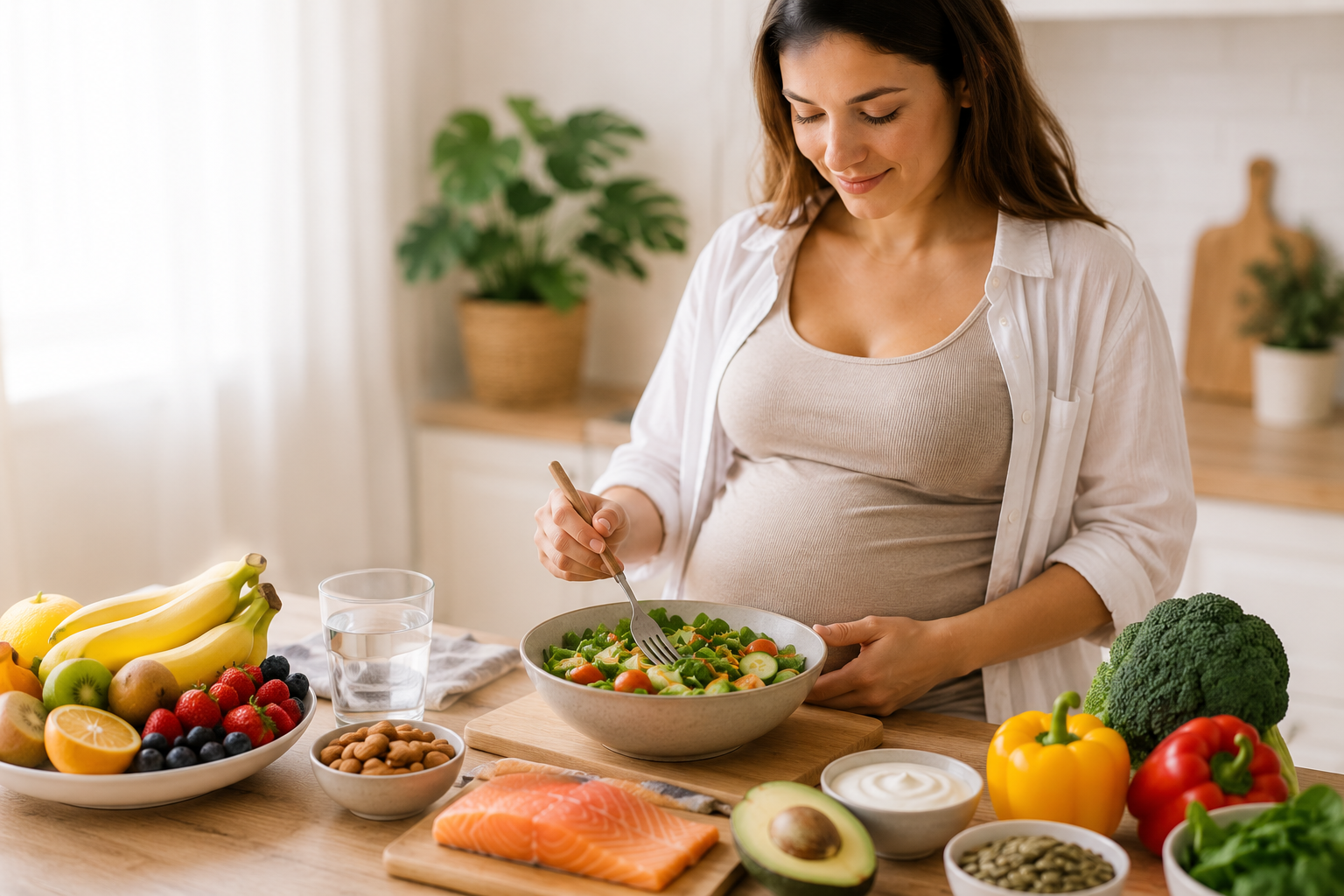
One of the simplest things to remember is that pregnancy doesn't usually require an entirely new way of eating.
The World Health Organization recommends a healthy, varied diet during pregnancy that provides adequate energy, protein, vitamins and minerals.
That can include foods such as:
- Fruit and vegetables
- Whole grains
- Beans and pulses
- Meat and poultry
- Fish
- Eggs
- Nuts
- Pasteurized dairy products
What your meals actually look like will depend on your culture, preferences, appetite, health needs and the foods available to you.
Healthy eating doesn't have to look exactly the same for every family.
2. No — You Don't Need to “Eat for Two”
It's one of the most familiar pregnancy phrases:
“You're eating for two now!”
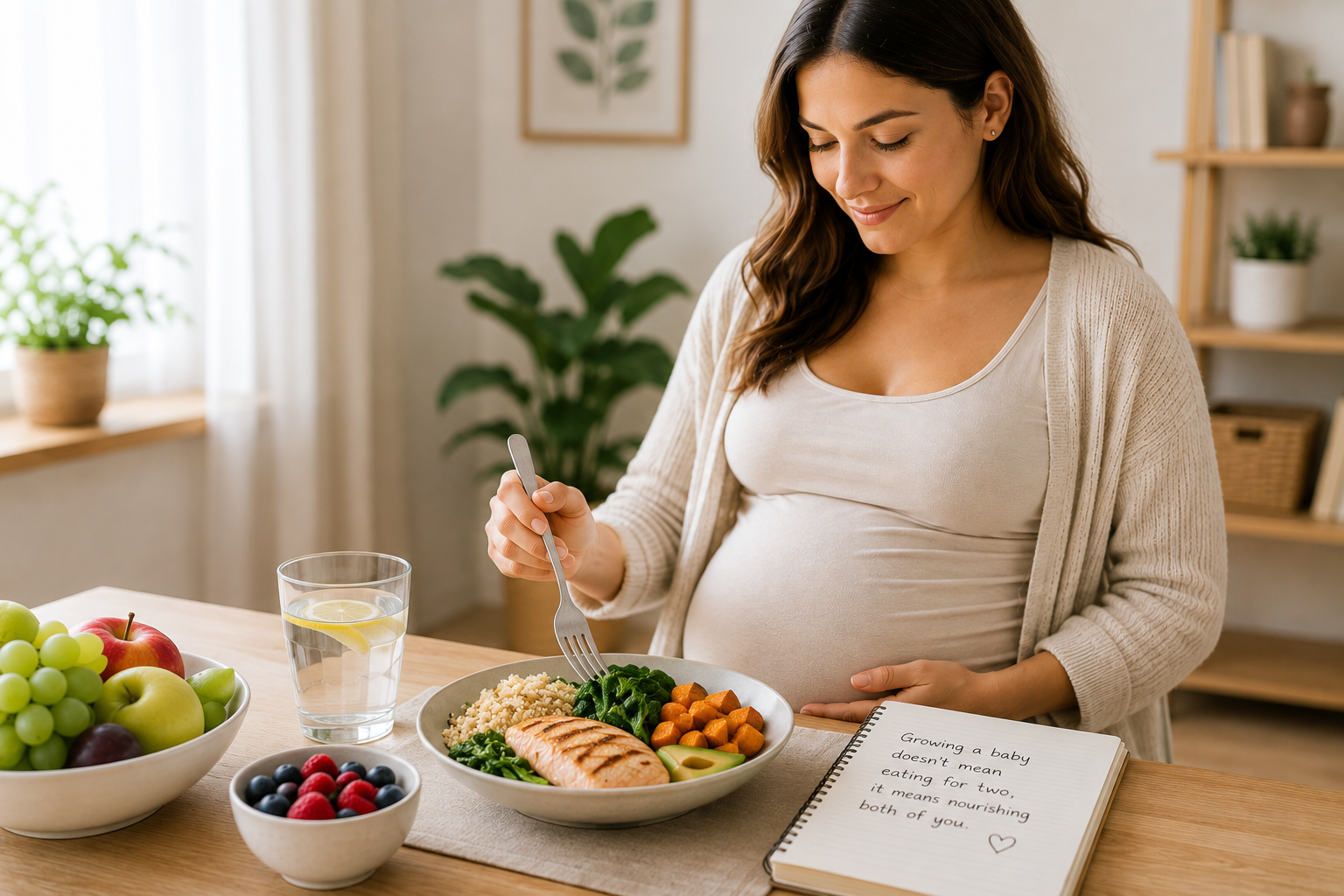
But pregnancy doesn't mean you need to double the amount of food you eat.
Your nutritional needs do change during pregnancy, but the focus should be on providing your body with a good balance of nutrients rather than simply eating twice as much.
Some days your appetite may also be very different from others.
Nausea, tiredness, heartburn and changes in smell or taste can all affect what you feel like eating.
Instead of focusing on eating perfectly, think:
Variety. Balance. Food safety. And what your body can comfortably manage.
3. Build Your Meals Around Variety
You don't need every meal to contain every nutrient.
Think about what you eat across the day and week.
Fruit and vegetables
Try to include different types and colours.
Fresh, frozen and other appropriately prepared options can all help add variety to your diet.
Wash fresh fruit, vegetables and salad ingredients thoroughly before eating them.
Carbohydrates
Foods such as:
- Potatoes
- Rice
- Bread
- Pasta
- Oats
- Cereals
- Other grains
provide energy as well as nutrients.
Whole-grain and higher-fibre options can also contribute fibre to your diet.
Protein
Protein sources can include:
- Beans
- Lentils and other pulses
- Eggs
- Fish
- Poultry
- Meat
- Nuts
Aim for variety rather than relying on the same source every day.
Dairy and alternatives
Milk, yoghurt and appropriate cheeses can provide calcium and other nutrients.
If you use plant-based alternatives, check their nutritional content and choose suitable fortified options where appropriate.
4. Fish Can Be Part of a Healthy Pregnancy Diet
Fish can provide valuable nutrients, and pregnancy does not mean avoiding all seafood.
The important part is choosing appropriate fish and following guidance about frequency and mercury exposure.
Some fish contain higher levels of mercury and should be avoided during pregnancy.
Guidance can differ slightly between countries, so follow the recommendations of your local health authority or maternity team.
And remember:
Raw fish and raw shellfish can carry additional food-safety risks during pregnancy.
When in doubt about a particular type of fish, check before eating it.
5. Be More Careful With Raw and Undercooked Foods
Pregnancy changes how the immune system responds to certain infections, making food safety particularly important.
Raw or insufficiently cooked animal products can expose you to bacteria or parasites that may cause foodborne illness.
Pay particular attention to:
- Raw or undercooked meat
- Raw shellfish
- Raw fish
- Certain raw or undercooked eggs, depending on local food-safety standards
Cook food thoroughly and follow safe storage, refrigeration and preparation practices.
This isn't about being afraid of food.
It's about reducing avoidable risks.
6. Some Dairy Products Need
Extra Attention
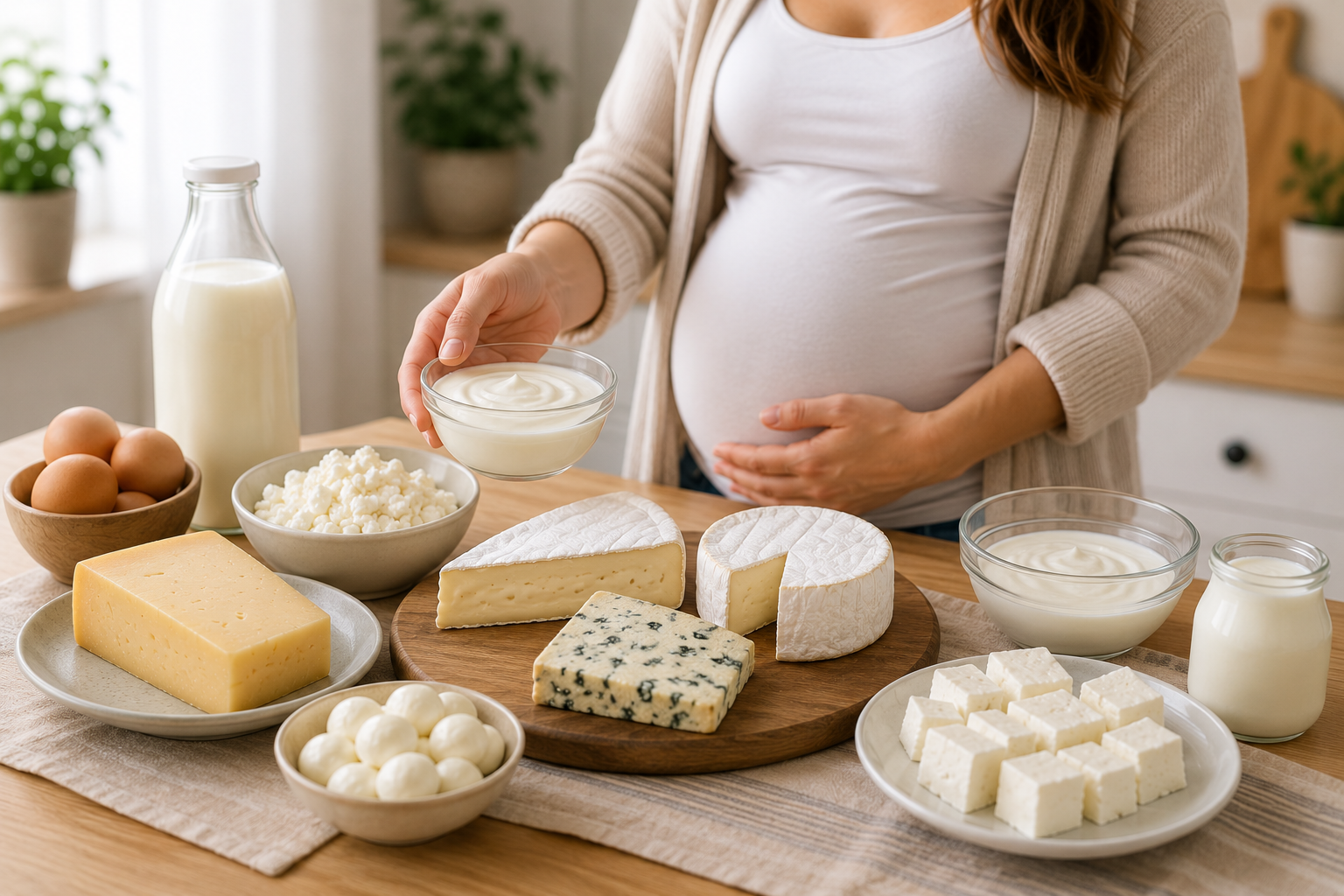
Many dairy products are perfectly suitable during pregnancy.
Pasteurized milk, yoghurt and many pasteurized cheeses can form part of a balanced diet.
However, some unpasteurized dairy products and certain soft cheeses may carry a higher risk of Listeria contamination.
Exactly which cheeses are considered appropriate can depend on how they were produced and whether they are thoroughly cooked.
Rather than remembering a huge list, check:
Is it pasteurized?
Does pregnancy guidance recommend cooking this type of cheese before eating it?
Has it been stored correctly?
When you're uncertain, check the packaging or your local pregnancy food-safety guidance.
7. Wash Fruit, Vegetables and Salads Carefully
Fruit and vegetables are an important part of a balanced pregnancy diet.
But food preparation matters too.
Wash fresh produce thoroughly before eating it, particularly anything that may have soil on its surface.
Keep preparation surfaces and utensils clean and follow appropriate refrigeration guidance for pre-cut or prepared foods.
A healthy food still needs to be safely prepared food.
8. What About Caffeine?
You don't necessarily have to give up coffee completely during pregnancy.
But caffeine intake should be limited.
The NHS currently recommends consuming no more than 200 mg of caffeine per day during pregnancy.
And coffee isn't the only source.
Caffeine can also be found in:
- Tea
- Cola
- Energy drinks
- Chocolate
- Some supplements and medicines
The amount in coffee can vary considerably depending on the type and serving size, so don't assume every cup contains the same amount.
If you're unsure about your intake, your doctor, midwife or pharmacist can help.
9. What About Alcohol?
Health authorities including the NHS advise that the safest approach during pregnancy is not to drink alcohol.
If you have questions or concerns about something consumed before you knew you were pregnant, discuss them with your healthcare professional rather than relying on information from social media or assuming the worst.
10. Some Foods Are Better Avoided During Pregnancy
Food-safety recommendations vary somewhat between countries, but commonly highlighted foods include:
- Raw or undercooked meat
- Raw shellfish
- Certain raw fish
- Unpasteurized milk and certain products made from it
- Liver and liver products
- Fish containing high levels of mercury
- Foods that may carry an increased Listeria risk unless prepared appropriately
- Alcohol
Some foods don't need to be completely avoided but may need to be limited or prepared differently.
For example, guidance may place limits on certain types of fish or recommend heating particular ready-to-eat foods.
Always check current pregnancy guidance for the country where you live.
11. Don't Forget About Food Hygiene
What you eat matters.
But how you prepare it matters too.
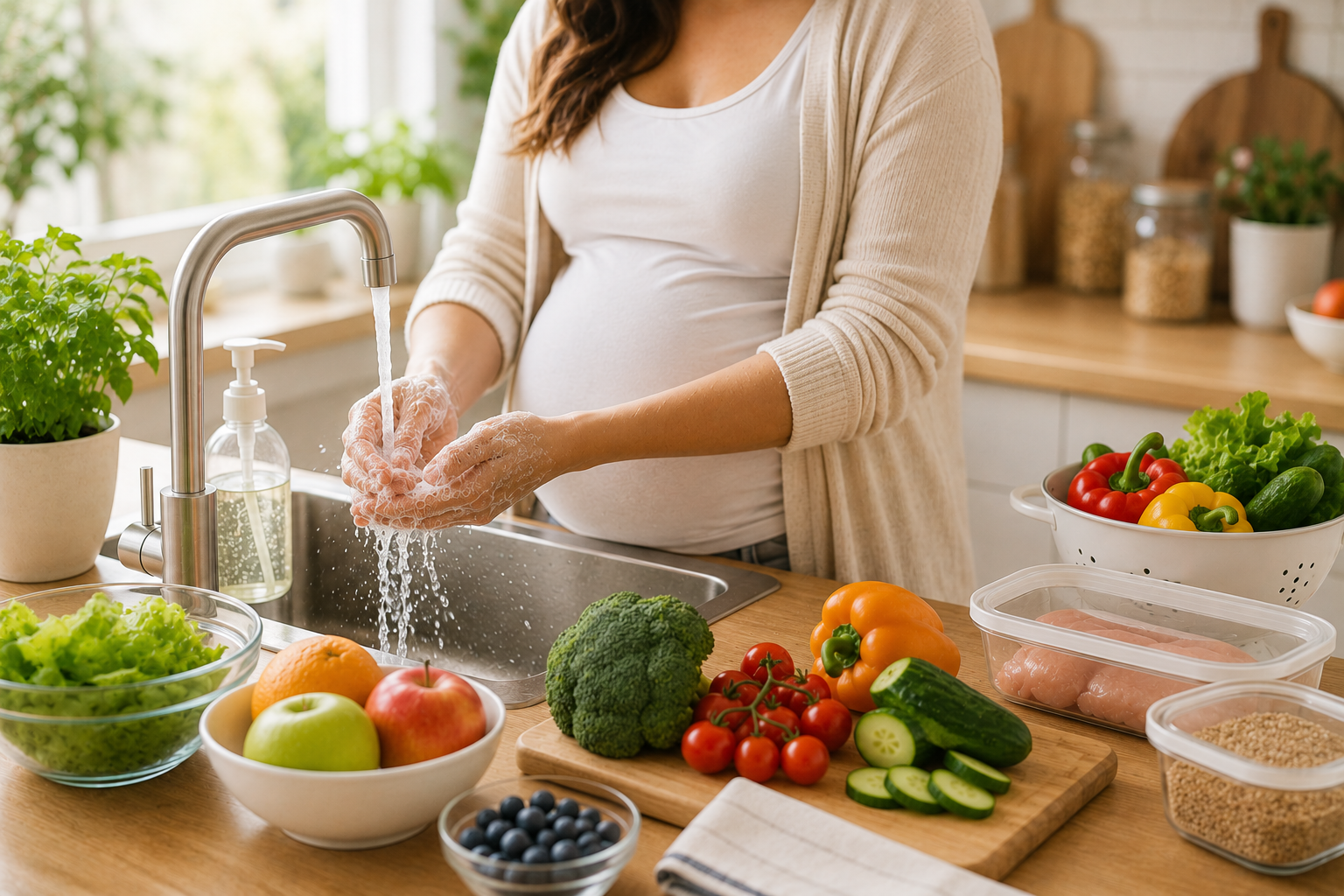
Simple habits can reduce the risk of foodborne illness:
- Wash your hands before preparing food
- Wash fruit and vegetables thoroughly
- Keep raw and cooked foods separate
- Cook foods thoroughly where required
- Refrigerate foods appropriately
- Respect storage instructions and use-by dates
- Keep preparation surfaces and utensils clean
Pregnancy isn't the time to become afraid of your kitchen.
A few consistent food-safety habits can go a long way.
12. What If Nausea Makes Healthy Eating Difficult?
Sometimes knowing what you should eat and actually being able to eat it are two very different things.
Especially during early pregnancy.
Nausea, vomiting, sensitivity to smells and food aversions can make your usual meals difficult.
On harder days, focus on what you can comfortably manage rather than judging yourself because your meals don't look perfect.
If vomiting becomes severe, you're unable to keep fluids down, you're concerned about dehydration or you're struggling to eat adequately, contact your healthcare professional.
You don't have to manage severe pregnancy sickness alone.
13. Supplements Are Different From Food
A balanced diet provides many important nutrients, but pregnancy also comes with specific recommendations about supplements.
For example, folic acid is routinely recommended around conception and during early pregnancy, and WHO antenatal guidance includes recommendations concerning iron and folic acid supplementation.
But that doesn't mean every supplement marketed for pregnancy is necessary or appropriate for everyone.
Some supplements can actually be unsuitable during pregnancy.
Before taking vitamins, minerals, herbal products or other supplements, discuss them with your doctor, midwife or pharmacist.
We cover pregnancy supplements separately in our guide to Prenatal Vitamins: What You Actually Need to Know.
Keep Food Simple
Pregnancy already gives you enough things to think about.
Food doesn't need to become another source of perfectionism.
Think about the basics:
Eat a variety of foods.
Choose nutritious options regularly.
Prepare food safely.
Know which foods require additional caution.
Follow the recommendations of your healthcare team.
And remember that one meal doesn't define your pregnancy.
Some days will be beautifully balanced.
Some days might simply be about finding something you can tolerate.
Pregnancy nutrition is about supporting yourself and your growing baby over time — not creating a perfect plate at every meal.
Medical References
World Health Organization (WHO) — Nutrition counselling during pregnancy
Guidance on healthy eating, dietary diversity and nutrition during pregnancy.
World Health Organization (WHO) — Eating healthy food during pregnancy and after childbirth
Recommendations concerning dietary variety, food safety and appropriate supplementation.
NHS — Healthy eating in pregnancy
Guidance on food groups, balanced nutrition and eating during pregnancy.
NHS — Foods to avoid in pregnancy
Current guidance on food safety, dairy products, meat, fish, caffeine and foods requiring additional caution during pregnancy.
U.S. Food and Drug Administration (FDA) — Dietary Advice Before and During Pregnancy
Food-safety and nutrition information for pregnancy.
Important
This article provides general educational information and does not replace individualized medical or nutritional advice from your doctor, midwife, registered dietitian or another qualified healthcare professional.
Dietary recommendations may differ according to your health, pregnancy and country. If you have a medical condition, food allergy, nutritional deficiency or specific dietary requirements, discuss your individual needs with your healthcare team.
Table of Contents
1. You Don't Need a Special Pregnancy Diet
2. No — You Don't Need to “Eat for Two”
3. Build Your Meals Around Variety
Fruit and vegetables
Carbohydrates
Protein
Dairy and alternatives
4. Fish Can Be Part of a Healthy Pregnancy Diet
5. Be More Careful With Raw and Undercooked Foods
6. Some Dairy Products Need Extra Attention
7. Wash Fruit, Vegetables and Salads Carefully
8. What About Caffeine?
9. What About Alcohol?
10. Some Foods Are Better Avoided During Pregnancy
11. Don't Forget About Food Hygiene
12. What If Nausea Makes Healthy Eating Difficult?
13. Supplements Are Different From Food
Medical References
Important